admin

Formark Welcomes First Female Apprentice

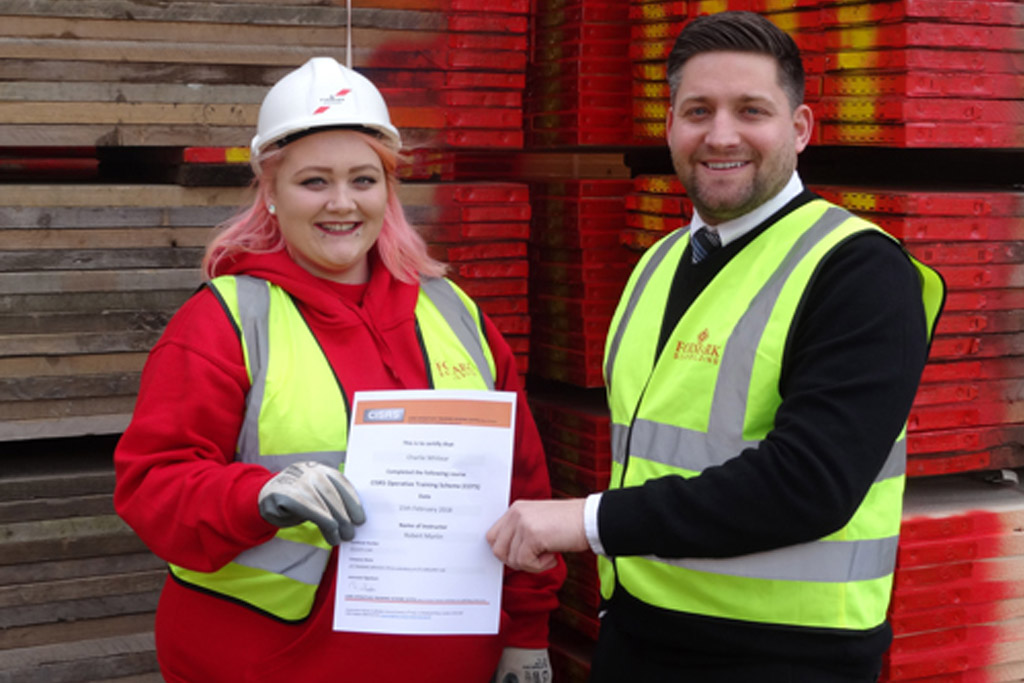
Formark Scaffolding is celebrating the successful qualification of its first female apprentice scaffolder. Charlie-Lauren Whitear gained her CISRS Labourer Card after achieving the COTS Site Safety Plus Certificate and passing the CITB Health, Safety and Environment test. The 23-year-old from Beddington, Surrey, joined Formark as an office administrator in 2015. After giving as good as she got when bantering with the scaffolders about site work, she decided to go one step further, and join them. “I told them that anything they could do, I could do with a bra on,” said Charlie. “So I couldn’t really back down. It certainly wasn’t a dream of mine to become a labourer or indeed a scaffolder, but why not? “A lot of people were very apprehensive when I said what I wanted to do. But when I got a chance to qualify as a labourer everyone at Formark was supportive and now I have got the Labourer Card the scaffs treat me as one of the team.” Charlie still works in the office at Formark’s yard on the London/Surrey border and has already been on site, carrying tubes during the dismantling of a scaffold in Kent. “It was very challenging and very different but made a nice change from the office,” she said. “I intend to mix working in the office with site work – and I haven’t ruled out becoming a qualified scaffolder one day.” “Once Charlie got started, there was no stopping her,” said Mark P Coote, Director of Formark Scaffolding. “We were delighted to support her through the process and look forward to seeing where this new qualification will take her next.”

Formark Backs Unbeaten McKenzie

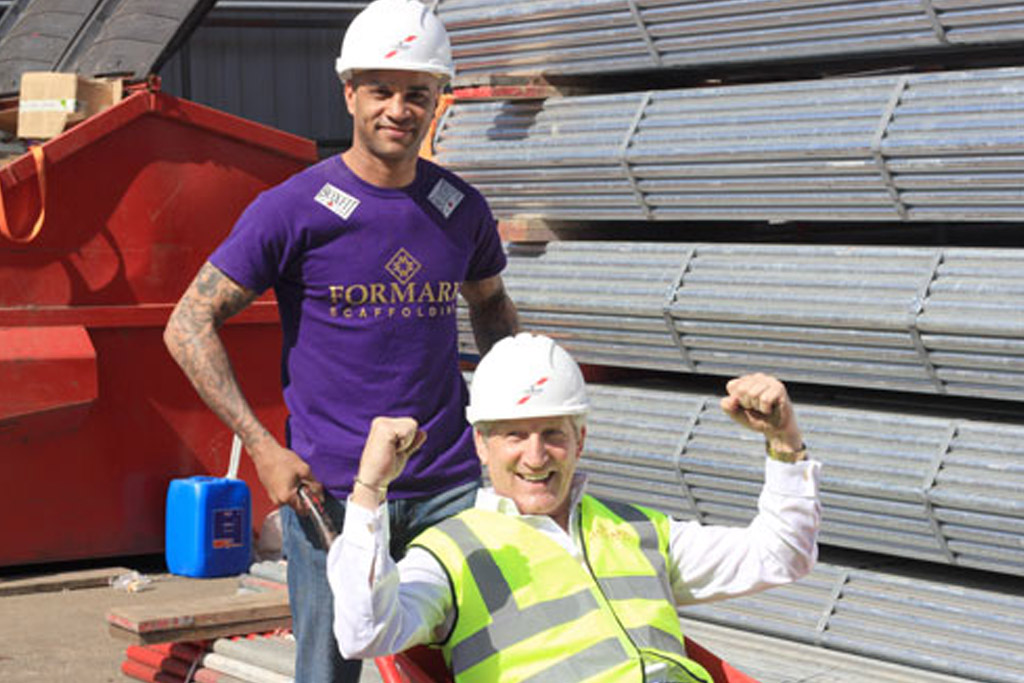
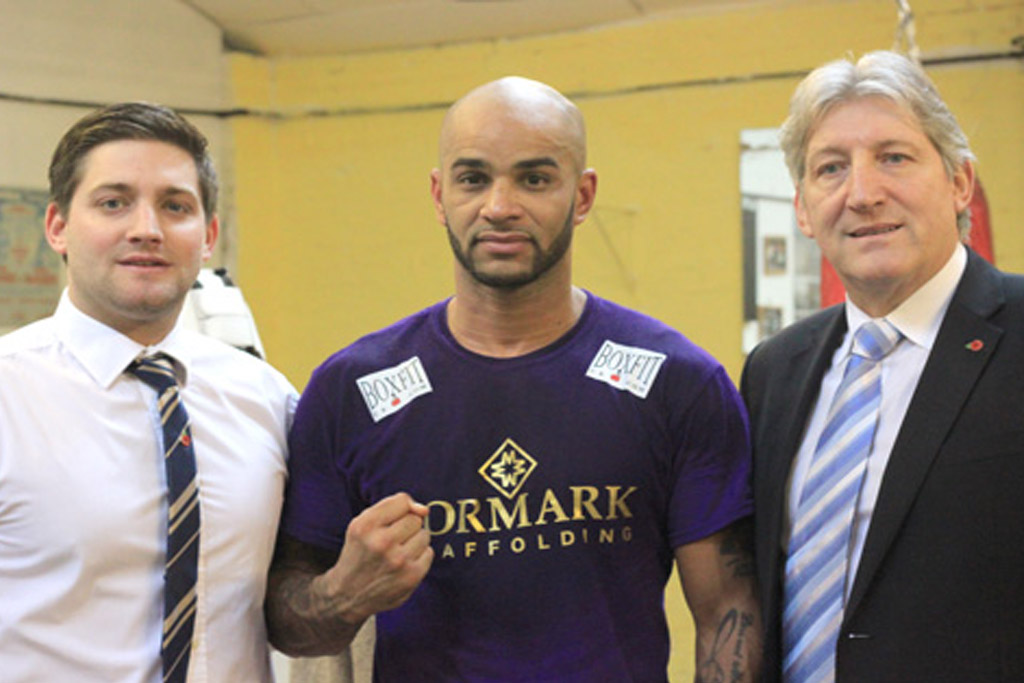
Formark has agreed a further two fight sponsorship deal with former Premiership footballer turned pro boxer Leon McKenzie. Managing Director Mark Coote announced the new deal when the unbeaten super-middleweight fighter visited our yard to be put through his paces before his next fight. After three wins and a draw the fighter known as Big McK to his fans returns to the ring at York Hall, Bethnal Green, on May 17th for his first 6-round bout. Trained by his father Clinton McKenzie (British and European Light Welterweight Champion) and his uncle Duke (three-weight World Champion) Leon is in good hands. To book tickets telephone MCM Promotions on 07770 166041.

Fighting Back

After two wins and a draw Formark sponsored Leon McKenzie returns to the ring at York Hall, Bethnal Green, on March 8th. This will be the second of our two fight sponsorship deal with the former Crystal Palace FC player turned pro boxer, known to his fans as Big McK. Literally fighting back from experiencing the highs of Premier League football to the lows of prison, with an attempt at suicide in between, Leon is following in the footsteps of his father Clinton McKenzie (British and European Light Welterweight Champion) and his uncle Duke (three-weight World Champion). If you would like to be ringside with us for Leon’s super middleweight bout tickets are available from MCM Promotions on 07770 166041. Come on Big McK.

Who is Responsible for Ensuring the Safety of Scaffolding

Many building, renovation, and other construction jobs require the use of some form of scaffolding. A professional scaffolding company will be able to determine whether your project can utilise a basic or standard construct, they will be able to design a construct that precisely matches your requirements, and they will ensure that all of the appropriate permits and insurance policies are in place. As with many aspects of construction projects, safety is of paramount importance in scaffolding design and use. There are a number of legal requirements, legislations, and regulations that must be met by the scaffolding company, by you, and by those that will be using the scaffolding in order to complete their job. Who, exactly, is responsible for ensuring the safety of scaffolding? Public Safety Public safety is extremely important. Not only can a poorly constructed scaffolding unit lead to injury and damage to property, but it could lead to considerable loss of money and reputation for everybody concerned. It is not only the scaffolding itself that can be potentially dangerous, but items and even people on the scaffolding. The scaffolding company that you use should have public liability insurance. This will protect against the potential financial loss caused by injury or damage, but will do nothing to actually prevent accidents from occurring. The responsibility for ensuring that the scaffolding itself is safe rests with the scaffolding company, who should also undertake regular safety checks, but it is the construction company’s responsibility, and the individual user’s responsibility to ensure that it is used safely. User Safety Working on scaffolding should be safe and secure. Users should not be put under any undue risk or in any unnecessary danger, and they should be provided with all of the appropriate equipment when working on scaffolding. This includes hard hats and protective clothing, and it is the responsibility of the user to ensure that they use the equipment that they are provided with. Working At Heights Furthermore, for those users that will conduct their work on the scaffolding, it is necessary to have undergone training to be able to safely work at heights. This training ensures that everybody concerned with the putting up and the use of the scaffolding remains safe. There are numerous factors to consider when looking at the safety of scaffolding and the people using it, and the height presents a number of potential hazards. Not only do people on the scaffolding run the risk of falling, but objects dropped from scaffolding can prove deadly. Permits And Safety Inspections In some circumstances, it is a legal requirement that the scaffolding company apply for and be granted a permit before they can start construction. Primarily, this is required when the scaffolding construct will be placed on a public highway, including foot paths. Regardless of where the scaffolding is placed, regular safety inspections are essential. An experienced and skilled scaffolding professional needs to check the construct before it is used for the first time, after any alteration to the construct, following any extreme weather, and once every seven days. This is to ensure that it remains safe for use. Scaffolding Requirements When choosing a scaffolding company, do ensure that you use a professional service that not only offers good prices but that meets deadlines and abides by all of the relevant safety regulations and requirements. While it is usually considered the responsibility of the scaffolding company to manage permits and ensure regulations are met, you should ensure that everything is in order and in place. It is likely to be you that will be challenged by customers or third parties if something does go wrong.

What to Look For When Choosing a Scaffolding Company

There are a surprising number of factors to consider when choosing a scaffolding company to assist in your construction project. No two companies are exactly alike, and this means that while you could end up with a cost effective and high quality contractor, it is possible to have to endure low quality work. Always consider safety first, and this means ensuring that the company you do use has the appropriate training, is experienced in the type of construct that you require, and that they have suitable insurance to cover injury to you or other people, or damage to yours or third party property. Finally, consider your budget, because it shouldn’t be necessary to have to pay over the odds just to enjoy these benefits. Construction Type There are a surprisingly large number of different types of scaffolding construction, and while some are considered basic constructions and therefore require less regulatory work be completed, others are much more complex and will require more complex work. If you’re in any doubt as to the most appropriate and most beneficial type of construction, speak to the scaffolding company yourself. If you are using a construction company or other service provider that will be using the scaffolding, they should have the appropriate training to work at height, and they will be able to confirm with the scaffolding company exactly which type of structure to use. Safety Safety should always come first when erecting and using scaffolding. Regulations exist concerning many of the elements of building and using scaffolding, and this is especially important if your construct has unusual design features. Basic structures, and those that are built according to manufacturers’ guidelines will not usually require special permits. They should not require additional inspection, but those that are longer, taller, or built on unusual ground may require that a professional scaffolder complete risk assessment and other guidelines. Training Any scaffolding company should have adequate and appropriate training. Those that are registered or licensed with scaffolding bodies in the UK must have this training, otherwise they are not permitted to trade as part of that group. Always ensure that you are dealing with a company or individual that has been trained in the proper use of scaffolding. Insurance It is a legal requirement in the UK that any company with employees has employers’ liability insurance. As the person responsible for employing the scaffolding, it is your responsibility to ensure that the company in question has appropriate insurance, Public liability insurance is also a legal requirement, and this ensures that if any damage is done to property or people are injured as a result of the scaffolding company’s work, they are insured to cover the damage. Experience For standard scaffolding construction, the requirements for installation are not overly difficult. However, uneven terrain, obstructed access, and other factors can make the completion of a scaffolding construction more difficult. In these cases, experience will count for a lot, and it will be required in order to ensure that the company is able to complete the relevant risk assessments and other required documents. Without these documents, it will not be possible for your construction company to complete the construction that you want. Budget In an ideal world, budget would not play a part when choosing any service provider. We would all be able to pick the company that offers the best service, regardless of the amount that they charge. However, budget is important, and you should ensure that you are not paying over the odds. If you are using a construction company and they have included scaffolding in the price, then it is there responsibility to make sure this falls within budget.

Types Of Scaffolding and Their Uses

There is a surprising range of scaffolding types that can be used in construction and for other purposes. The general principle of a scaffolding construction, whether it is a static, rolling, or any other type of construction, remains the same – to provide a platform for workers and materials while work takes place. Most often seen in construction projects, scaffolding structures and other constructs can be used for a variety of purposes. It is common to see scaffolding being used for repair work, to access high objects, for window cleaning tall buildings, and more. Choosing the most appropriate form of scaffold structure is an important stage in the project that you are undertaking. Supported Scaffolding This is the most commonly used form of scaffolding and is the type that you will see being used in construction work and on most other forms of work where elevation is required. Extra support may be required if the scaffolding will be long or required to take a lot of weight. Supported scaffolding is built from the base upwards, and will normally be used wherever possible. It is considered the easiest, most convenient, safest, and most cost effective form of scaffolding construct. Different forms of supported scaffolding are available, and each will serve a very specific purpose and used in specific circumstances. Suspended Scaffolding Suspended scaffolding is typically suspended from a roof or other tall construct. It is most commonly used when it is not possible to construct a base, or where access to upper levels may be required, and the building of scaffolding from floor to the required level would be impractical. This type of scaffolding is commonly used by window cleaners on tall buildings, but may also be seen where repairs are needed to the exterior of upper levels of similarly tall buildings. Supported scaffolding is usually preferred where possible. Rolling Scaffolding Rolling scaffolding is a similar type of construct to supported scaffolding, but rather than offering a stable base, it uses castor style wheels that enable the base to be moved. This is a useful form of scaffolding when you need to complete work over a longer distance than a single scaffolding construction would permit. The wheels should be locked when workers or materials are on the scaffolding, in order to ensure the safety of those using it, and those around it. Mobile Scaffolding There are a number of factors to consider when deciding whether to use static or mobile scaffolding. Ease of access is one such consideration, along with the amount of movement on the scaffolding itself. Where possible, you should rely on the use of a single scaffolding structure, or a number of structures, because mobile units, while perfectly safe when well-constructed and used properly, do pose more of a hazard than mobile constructs. Most scaffolding is considered semi-permanent. Once used, it can be taken apart and moved to another location before it is constructed again. Fixed scaffolding can be left in position for longer periods of time, making it especially useful in those situations where permanent access may be needed to elevated positions. Aerial Lifts Aerial lifts should be used where workers need to be able to access a number of levels in order to be able to complete a construction. For example, if building work is being completed on the outside of a multi-storey property and both workers and materials will be needed to work outside two or more floors, at different times, then an aerial lift will make it easier and safer to lift even large amounts of material, and multiple workers to the levels required.

Bridge Over the River…A22

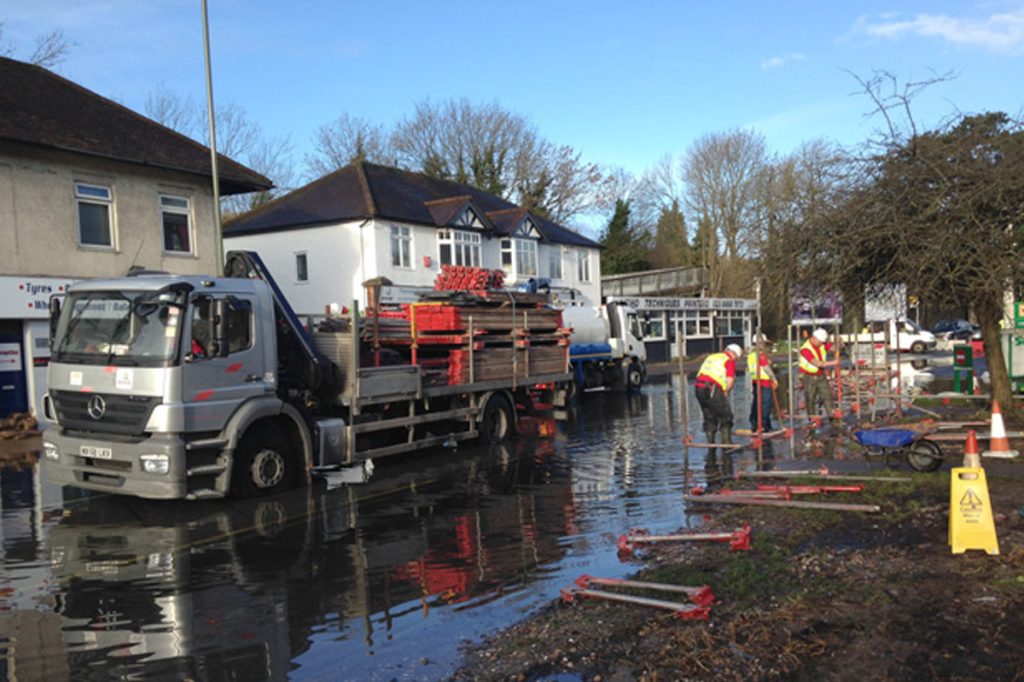
People marooned by floods on the A22 in Surrey will be able to get to school and work with dry feet after we stepped in to build a makeshift pedestrian bridge outside our yard in Whyteleafe. Delighted locals and traders were full of praise for Formark Scaffolding after our lads waded in and built the bridge from scaffolding poles over a 100-yard section of the road and pavement where the water has been at its deepest and which, fear locals, is now polluted.

The Rules Regarding Safety

When employing the services of a scaffolding company, it is important to remember that there are a number of rules and regulations that must be followed. While it is the responsibility of the scaffolding company to adhere to most of these, it is also your responsibility to ensure that permits are in place, and that guidelines have been properly followed. There are some regulations that all businesses must follow, including scaffolding companies, as well as laws on the types of insurance that a company must have. These apply to any scaffolding company you are considering hiring, and while ultimate responsibility does rest with the company you choose, you may also be liable if you have not checked that insurance is in place. Safety regulations are important. Not only are scaffolding poles themselves potentially dangerous, but the construction will normally require that people work at height. There is a risk to anybody working at height, as well as to those that may be at risk of falling objects. A safety inspection must be carried out prior to use of the scaffolding, every seven days after it has been constructed, and following any alterations or any extreme weather conditions. The person, or company, that puts up the scaffolding, is not only responsible for ensuring that it is safe, but also for ensuring that they apply for any required permits. A permit will normally be required when scaffolding is being built on or around public highways. This includes footpaths, and it may be necessary to plan work when the area is quiet, in order to minimise any potential risk to the public. Public liability insurance ensures that any accidents are protected by the insurance policy. Specifically, it covers injuries to customers and to third parties. Employers’ liability protects against injuries to employees, and if the scaffolding company has any employees then it is legally required to have this insurance. While it is not your responsibility to manage the insurance policies, it can give you peace of mind and additional protection to ensure that the company you use does have these policies in place. There are a number of basic and standard scaffolding designs, and having one of these erected does not require any special or additional requirements. Your scaffolding company can create the construct straight away. However, for more complex scaffolding requirements, it may be necessary for them to create a risk assessment, and to submit a design for the scaffolding structure. Some manufacturers will provide the necessary design, and this can help to speed up the process, but where required, the company should provide all of the necessary paperwork and submit it. Relevant warning signs should be used and implemented wherever necessary. This is to help ensure that unauthorised persons do not use the scaffolding. Without the proper training for working at heights, and without the appropriate equipment and safety clothing, it is easy to suffer injury or to cause damage when using scaffolding. Access to incomplete scaffolding areas should be physically prevented, and barriers erected around the scaffolding to ensure that the construct is used safely and responsibly only by those that know what they are doing. Working at heights has a number of potential dangers, and not only to the people that are working on scaffolding but to people on the ground and around the scaffolding area. Anybody that will be working on the new construct needs to have undergone appropriate working at heights training, and must have the requisite certificate to be able to legally work atop your scaffolding. This is the responsibility of the employer, or the construction company, and not of the scaffolding company.

Scaffolding FAQ

Scaffolding is most commonly associated with use during construction, renovation, and repair work to the outside of buildings. It is preferred to ladders, because it is safer, will allow for more than one person and a larger collection of materials and tools, and it can be used in a varying range of different circumstances. Do I Need A Scaffolding Permit? A scaffolding permit is required where the scaffolding unit will be erected on or over a public highway. This includes pavements and footpaths. Certain dispensation may have to be made, such as agreeing work during quiet times, in order for the permit to be granted – your scaffolding company should deal with the application process for this permit, but you will need to ensure that it is in place before construction begins. What Type Of Scaffolding Construct Will I Need? There are a number of different types of scaffolding unit or construct. A basic scaffolding tower, and some other standard designs, require nothing more than the prerequisite safety inspections before they can be used, but more complex designs and structures must be accompanied by a scaffolding design before they are considered suitable for use. The type of construct you need will depend entirely on its intended application. Which Scaffolding Material Is Best? Most scaffolding companies offer steel or aluminium poles and wooden boards. These are reliable, strong, and sturdy, and they are resistant to most forms of potential damage. If you do have special requirements, then it may be necessary to find a specialist scaffolding supplier. Does Scaffolding Require Inspection Before Use? One of the most important factors when designing a scaffolding system is that of safety. It is important to ensure the safety of workers, passers-by, and anybody else that might come into contact with the scaffolding, whether directly or indirectly. Safety inspections must be carried out before the scaffolding is used, once every seven days following construction, and after any alterations or following adverse weather conditions. Should A Scaffolding Company Be Insured? When choosing a scaffolding company, you will want to be certain that they are legitimate and professional. Any scaffolding construction needs to be completed by professionals with experience and any relevant training. However, even following these precautions, accidents can happen. Your scaffolding company should have the relevant employers’ and public liability insurance in order to cover any financial losses or punitive losses. Can Scaffolding Be Used On Uneven Ground? In most cases, uneven ground does not cause a problem for scaffolding. The system can be designed in such a way using precise measurements to ensure that the top of the scaffolding unit and the surfaces on which people stand or place their equipment are completely level and safe. Pole lengths can vary, and specialist constructions can be made that will help to ensure that this is the case for your construction. How About On Unusually Shaped Buildings? Similarly, the flexibility of scaffolding also makes it beneficial for use on the outside of unusually shaped buildings. Whether you need to get around chimney stacks, or there is a unique design feature that affects the outside of the building, it should be possible for a professional scaffolding company to be able to provide you with a safe and secure scaffolding unit design. Can Scaffolding Be Moved? Standard scaffolding units cannot and should not be moved. However, if you do require a single scaffolding tower, but will need it in more than one location, then mobile scaffolding constructs are available. These will have castor wheels so that you can move them back and forth to any location as and when required. These can prove very beneficial and functional in certain circumstances.